

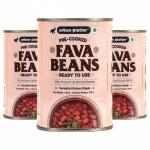
When it comes to heart health, diet plays a major role in keeping cholesterol levels balanced and reducing the risk of cardiovascular disease. Among the many nutrient-rich foods available, fava beans (also known as broad beans) stand out for their impressive nutritional profile. Packed with plant-based protein, fiber, and essential vitamins, fava beans are increasingly recognized as a heart-healthy food. But do they really help lower cholesterol and support heart health? Let's explore.
Nutritional Profile of Fava Beans
Fava beans are not just another legume – they are a powerhouse of nutrients. A one-cup serving of cooked fava beans provides:
- Protein: Around 13 grams, making it an excellent plant-based protein source.
- Fiber: About 9 grams, crucial for digestion and cholesterol control.
- Folate: Supports red blood cell production and cardiovascular health.
- Magnesium, Potassium, and Iron: Minerals that help regulate blood pressure and oxygen transport.
- Phytonutrients: Antioxidants that protect cells from damage.
Fava Beans and Cholesterol Management
- High Fiber Content: The soluble fiber in fava beans binds with cholesterol in the digestive system, helping to remove excess LDL cholesterol (“bad cholesterol”) from the body. Regular intake of soluble fiber has been linked to lower total cholesterol levels.
- Plant-Based Protein Advantage: Replacing red meat or processed meats with plant-based proteins like fava beans reduces saturated fat intake, which is a major contributor to high cholesterol and clogged arteries.
- Low in Saturated Fat: Fava beans are naturally low in saturated fat and contain no cholesterol, making them a heart-friendly alternative to animal-based protein sources.
Fava Beans and Heart Health
- Blood Pressure Regulation: The potassium and magnesium found in fava beans help relax blood vessels, improving circulation and lowering high blood pressure – both crucial for heart health.
- Rich in Folate: Folate helps break down homocysteine, an amino acid that in high amounts is associated with heart disease risk. Eating fava beans provides a natural source of folate to support cardiovascular function.
- Antioxidant Support: Fava beans contain phytonutrients such as flavonoids and polyphenols, which reduce inflammation and oxidative stress – two major contributors to heart disease.
- Weight Management: Being high in protein and fiber, fava beans help increase satiety, making you feel full for longer. Maintaining a healthy weight is key for controlling cholesterol and supporting long-term heart health.
How to Add Fava Beans to Your Diet
Incorporating fava beans into your meals is simple and delicious. Here are a few ideas:
- Soups & Stews: Add fava beans to vegetable soups or lentil stews for extra protein and fiber.
- Salads: Toss cooked and peeled fava beans with olive oil, lemon, and herbs for a refreshing salad.
- Snacks: Try roasted fava beans as a crunchy, heart-healthy snack.
- Purees & Dips: Blend fava beans with garlic, lemon, and tahini for a protein-packed dip.
- Rice & Grain Bowls: Mix them with quinoa, brown rice, or couscous for a balanced, nutritious meal.
Precautions
While fava beans are highly nutritious, they may not be suitable for everyone. Individuals with favism (a condition caused by G6PD enzyme deficiency) should avoid them, as consumption can trigger hemolytic anemia. For most people, however, fava beans are safe and highly beneficial.
Final Thoughts
So, do fava beans help lower cholesterol and support heart health? Yes, absolutely. Thanks to their soluble fiber, plant-based protein, minerals, and antioxidants, fava beans can play an important role in managing cholesterol levels, improving circulation, and reducing the risk of heart disease.
By incorporating fava beans into your diet as part of a balanced eating plan, you not only enjoy their rich flavor but also give your heart the nutrition it deserves.