

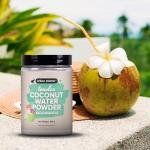
Coconut water powder has become a popular alternative to fresh coconut water, offering convenience without sacrificing hydration benefits. Whether you are an athlete, a health-conscious individual, or someone looking for a natural electrolyte drink, choosing the right product is essential. Not all coconut water powders are created equal, and understanding what to look for can help you make a smarter, healthier choice.
This guide explains the key factors that determine quality, purity, and nutritional value so you can confidently select the best option for your needs.
Understand What Coconut Water Powder Is
Coconut water powder is made by dehydrating fresh coconut water, usually through spray-drying or freeze-drying methods. The goal is to remove water while preserving natural electrolytes such as potassium, sodium, magnesium, and calcium.
A good-quality product should closely resemble the nutritional profile of fresh coconut water when reconstituted, without excessive additives or artificial ingredients.
Check the Ingredient List Carefully
The first and most important step is reading the ingredient label. High-quality coconut water powder should have a short, clean ingredient list.
Look for:
- Coconut water solids or coconut water concentrate
- Natural drying agents (if used) like tapioca or cassava maltodextrin in minimal quantities
Avoid products that contain:
- Artificial sweeteners
- Synthetic flavours or colours
- Preservatives or chemical stabilisers
The fewer the ingredients, the closer the product is to its natural form.
Watch Out for Added Sugars
Some brands add sugar to improve taste, which can significantly reduce the health benefits. Natural coconut water already contains mild, natural sugars, so extra sweeteners are unnecessary.
Choose a product with:
- No added sugar
- Low natural sugar content per serving
This is especially important if you are using coconut water powder for hydration, fitness, or weight management.
Evaluate Electrolyte Content
One of the main reasons people consume coconut water powder is for hydration and electrolyte replenishment. Check the nutrition label to ensure it provides a good balance of essential minerals.
Key electrolytes to look for include:
- Potassium for muscle and nerve function
- Sodium for hydration balance
- Magnesium for energy and muscle recovery
A high-quality product should offer naturally occurring electrolytes rather than added synthetic mineral blends.
Consider the Drying Method Used
The drying process has a significant impact on nutrient retention.
- Freeze-drying preserves maximum nutrients, flavour, and aroma but is usually more expensive.
- Spray-drying is more common and cost-effective, but quality depends on how carefully the process is controlled.
While brands may not always specify the method, powders with better flavour, colour, and solubility usually indicate superior processing.
Check Solubility and Texture
A good coconut water powder should dissolve easily in water without forming lumps or sediment. Poor solubility can indicate excessive fillers or low-quality processing.
When mixed:
- The drink should appear clear or lightly cloudy
- There should be no gritty texture
- The flavour should be light and refreshing, not artificial
Testing solubility can quickly reveal overall product quality.
Assess Taste and Aroma
High-quality coconut water powder has a naturally mild, slightly sweet taste with a clean coconut aroma. If the flavour feels overly sweet, chemical, or flat, it may indicate added flavouring or nutrient loss during processing.
Since coconut water is naturally subtle, strong or artificial flavours are usually a red flag.
Look for Quality Certifications
Certifications can provide added confidence about sourcing and processing standards. While not mandatory, the presence of certifications can be a strong indicator of quality.
Common certifications include:
- Food safety certifications
- Organic certification (if applicable)
- Non-GMO labeling
These markers help ensure the product meets quality and safety benchmarks.
Packaging Matters More Than You Think
Packaging plays a critical role in preserving freshness. Coconut water powder is sensitive to moisture and air exposure.
Choose products that come in:
- Airtight, moisture-resistant packaging
- Resealable pouches or sealed jars
Poor packaging can lead to clumping, flavour loss, and reduced shelf life even if the powder itself is high quality.
Check the Source of Coconuts
The quality of coconut water powder largely depends on the quality of coconuts used. Coconuts grown in tropical regions with ideal soil and climate conditions tend to yield better flavour and mineral content.
Brands that mention sourcing transparency often demonstrate a higher commitment to quality.
Match the Product to Your Purpose
Your intended use also affects what quality means for you.
- For daily hydration, choose a product with minimal additives and balanced electrolytes.
- For sports and fitness, focus on higher potassium content.
- For cooking and smoothies, flavour purity and solubility matter more.
Understanding your purpose helps narrow down the best option.
Final Thoughts
Choosing a good-quality coconut water powder requires more than just picking the most popular brand. By carefully examining ingredients, electrolyte content, solubility, taste, and packaging, you can identify a product that delivers real hydration and nutritional benefits.
A high-quality coconut water powder should be clean, minimally processed, naturally flavoured, and easy to use. Making an informed choice ensures you enjoy all the advantages of coconut water in a convenient, shelf-stable form, without compromising on health or quality.